About
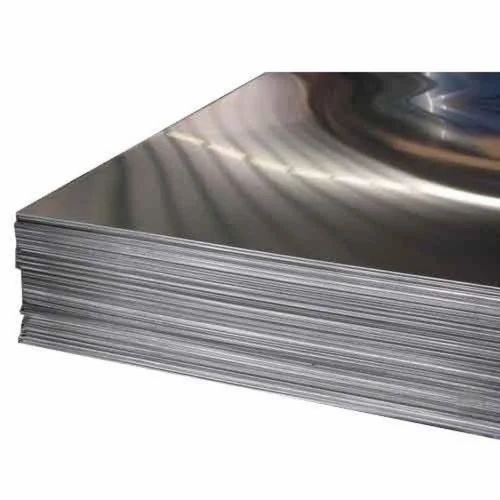
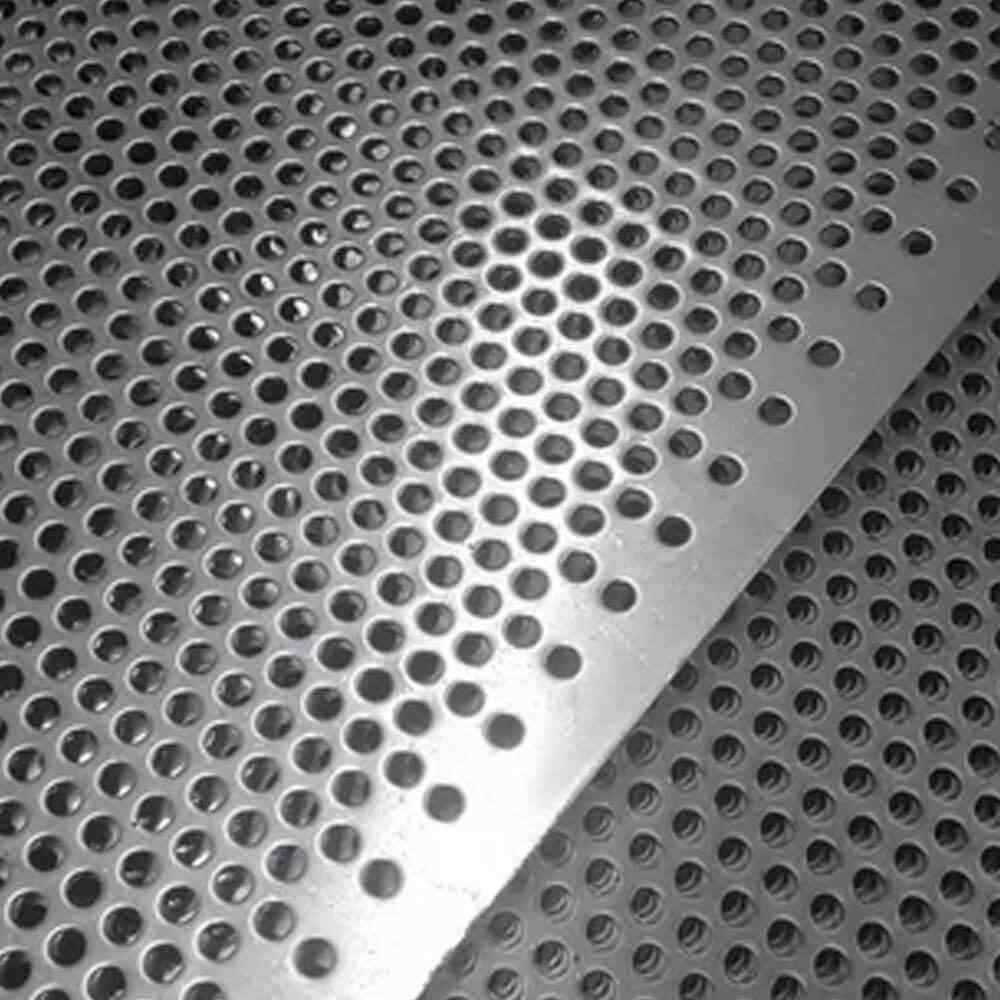
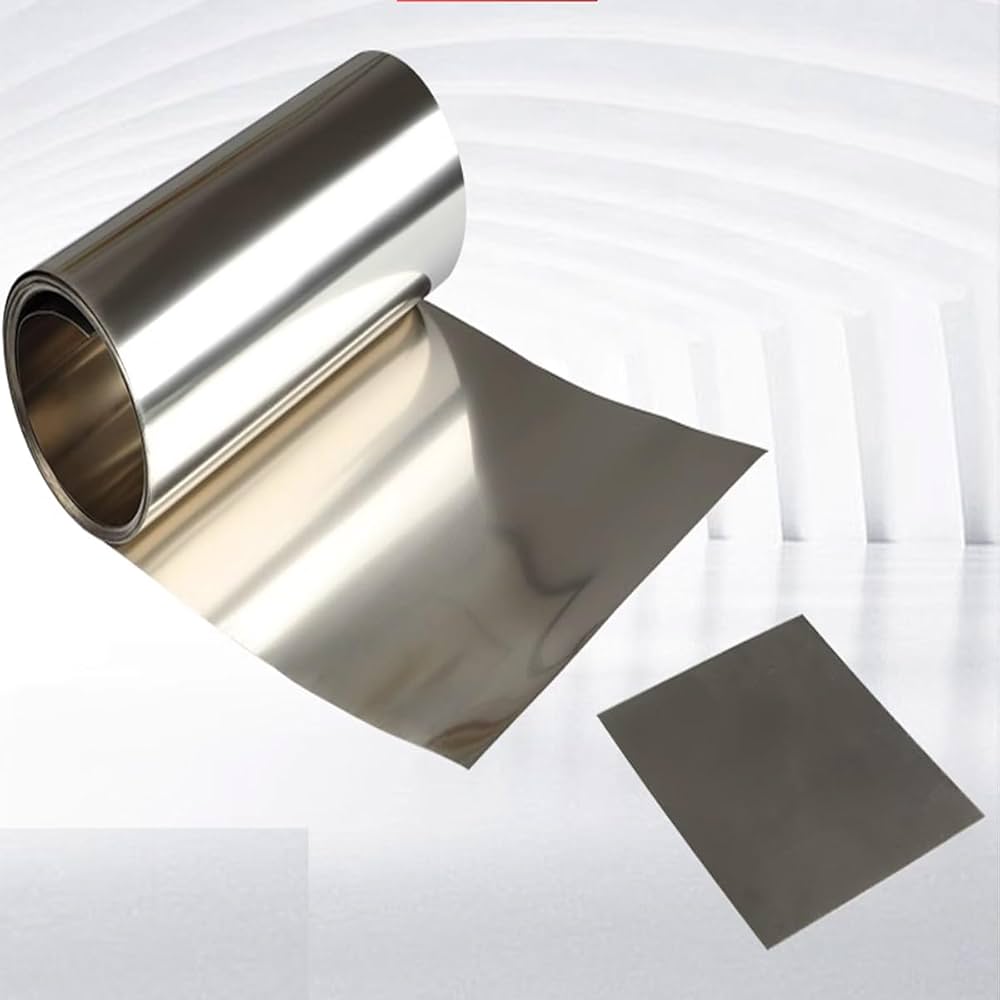
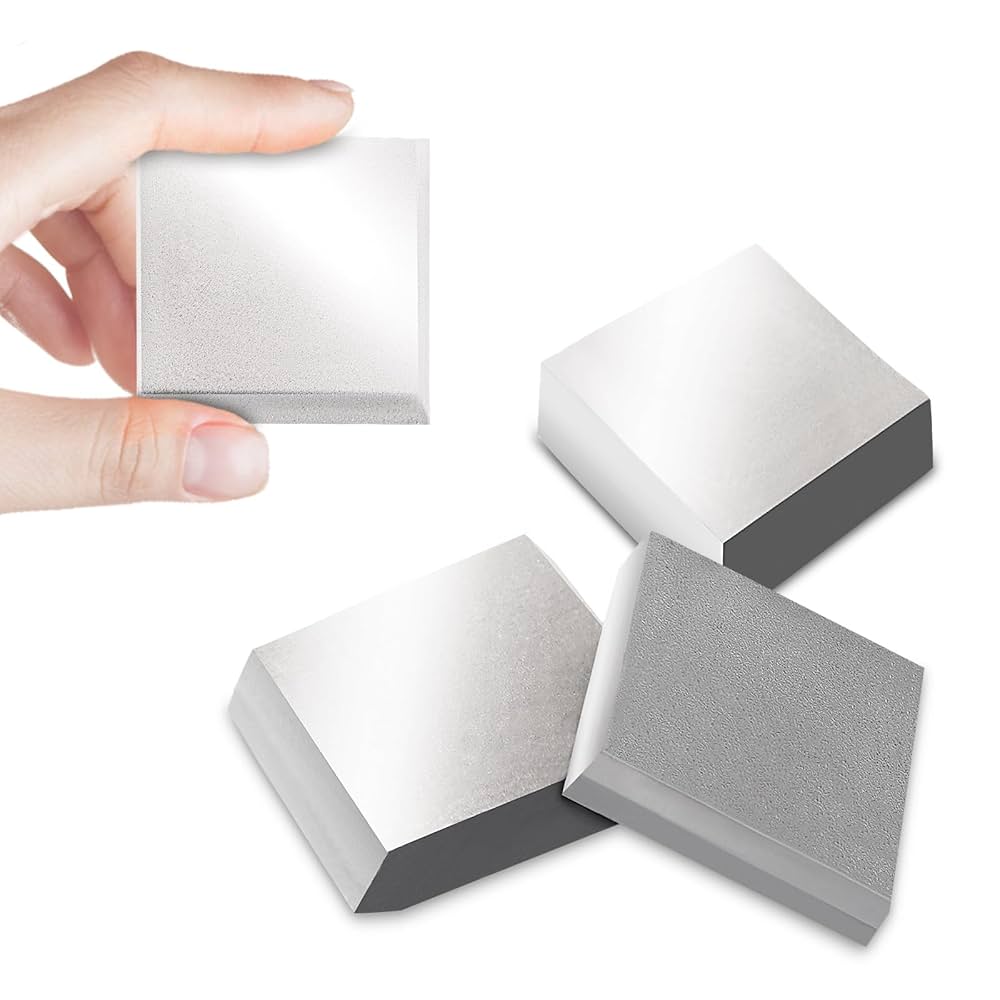
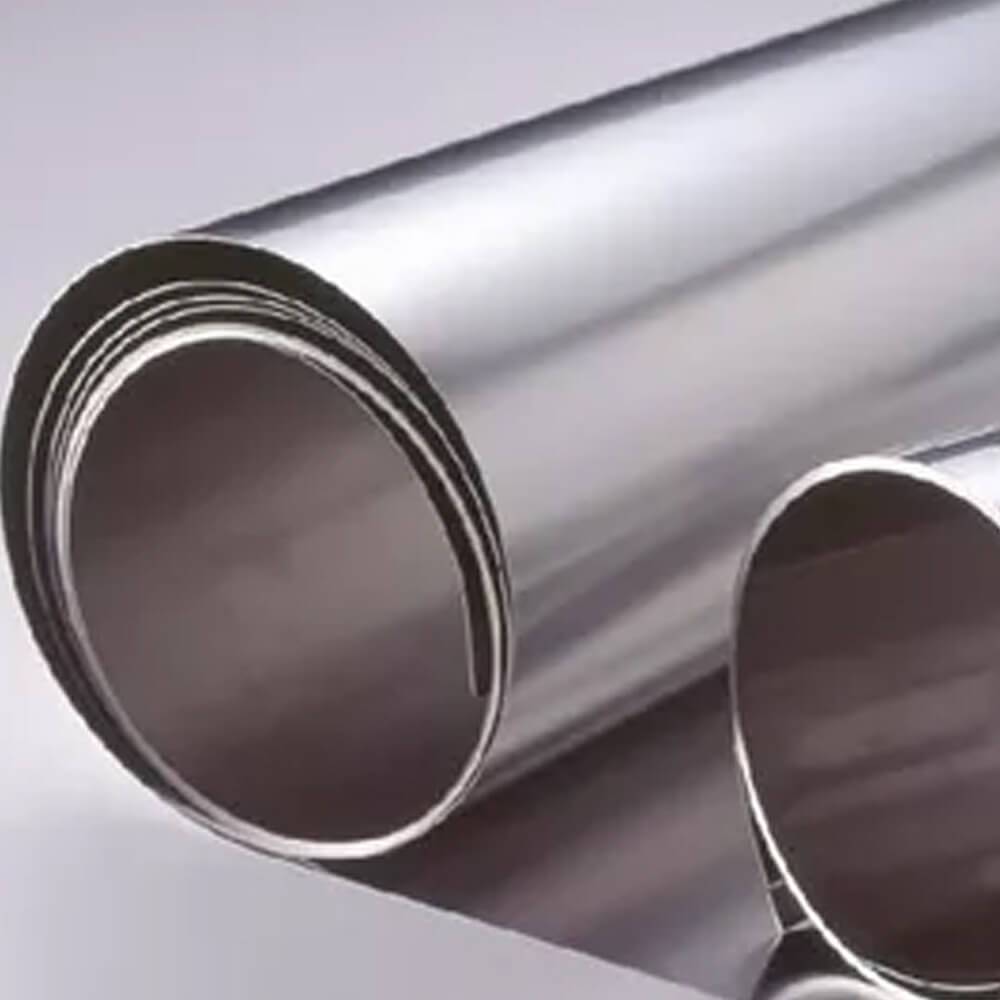
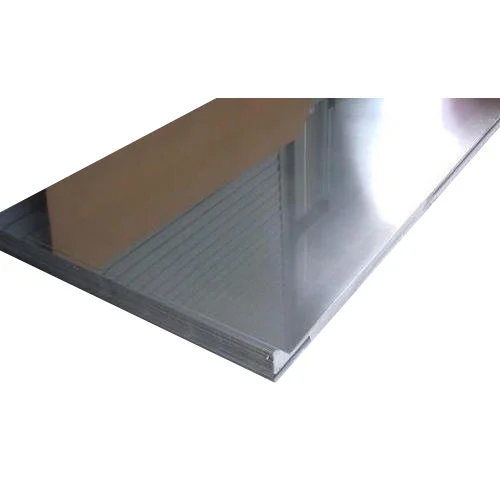
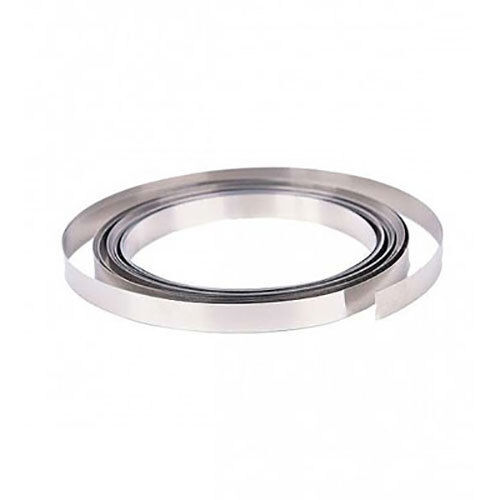
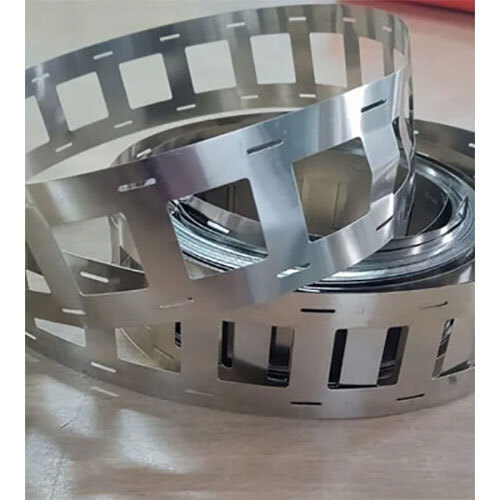
A nickel sheet is a flat, thin material made from pure nickel (typically 99% or higher) or its alloys. Known for its brilliant silvery-white finish, it offers exceptional corrosion resistance, especially against alkaline environments and seawater. The material is highly ductile and malleable, allowing it to be easily formed, cut, and welded into various shapes for manufacturing. Key properties include high electrical and thermal conductivity, good strength, and durability. It can also withstand high temperatures without losing its structural integrity. This versatile metal is used in electronics, chemical processing equipment, aerospace components, and battery manufacturing Nickel is a chemical element; it has symbol Ni and atomic number 28. It is a silvery-white lustrous metal with a slight golden tinge. Nickel is a hard and ductile transition metal. Nickel sheet is a flat, durable, and corrosion-resistant material with excellent thermal and electrical conductivity, widely used in aerospace, chemical processing, and energy industries
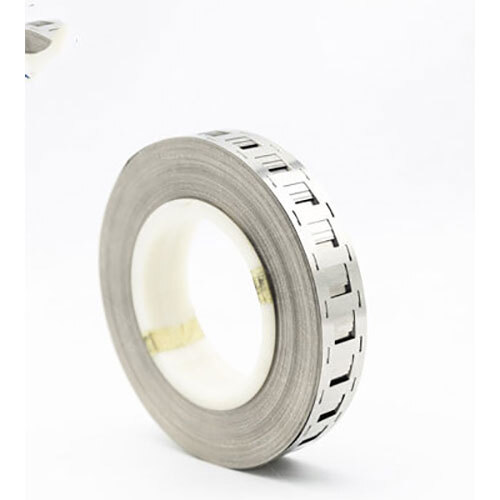
Superb Durability and ResistanceNickel sheets are recognized for their outstanding corrosion and oxidation resistance, even in harsh chemicals or high temperatures. This ensures longevity and reliability in critical applications like battery tabs and aerospace structures. Their non-magnetic nature in annealed conditions and high tensile strength also contribute to a wide range of industrial uses.
Versatile Customization OptionsManufacturers and suppliers offer nickel sheets in customizable widths and thicknesses, accommodating diverse application requirements. With both cold- and hot-rolled processing available, plus various surface finishes, customers can choose specifications tailored precisely to their needs, enhancing both functionality and aesthetic outcomes.
FAQs of Nickel sheet:
Q: How are nickel sheets typically processed for different industrial needs?
A: Nickel sheets can be produced by either cold rolling or hot rolling, and are offered in annealed or as-rolled conditions. This flexibility allows industries to select the appropriate mechanical and surface properties required for their specific applications.
Q: What benefits does the high nickel content (99.6%) provide?
A: A high nickel content ensures excellent resistance to corrosion and oxidation, superior electrical and thermal conductivities, and overall enhanced material purityessential qualities for applications in electronics, batteries, and chemical processing.
Q: When should a bright or mirror surface finish be chosen for nickel sheets?
A: Select a bright or mirror finish when aesthetic appearance or specific reflectivity is important, such as in decorative or visible structural applications. Both finishes also offer ease of cleaning and improved resistance to oxidative environments.
Q: Where are nickel sheets commonly employed?
A: Nickel sheets are widely used in sectors such as electronics (especially for battery tabs), chemical processing equipment, aerospace parts, and in industrial plating, thanks to their durability, conductivity, and resistance to harsh environments.
Q: What is the typical usage process for nickel sheets in manufacturing industries?
A: Nickel sheets are cut, shaped, and sometimes welded to form components. The annealed variant is usually preferable where malleability is needed, whereas as-rolled sheets suit applications demanding higher strength and hardness.
Q: What are the main benefits of using nickel sheets in battery production?
A: Nickel sheets provide consistent electrical conductivity, corrosion resistance, and strong thermal stability, making them ideal for battery tab connectors and other electronic contacts, thus improving battery life cycle and performance.