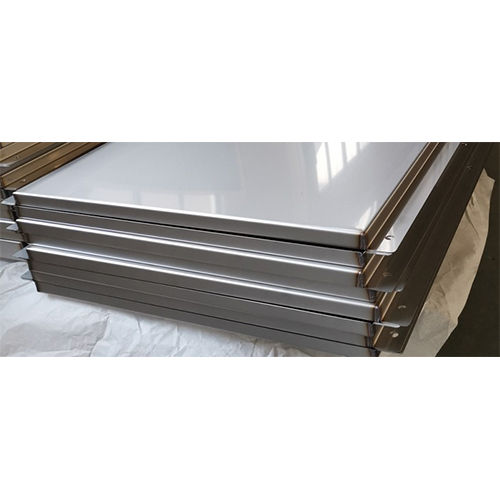
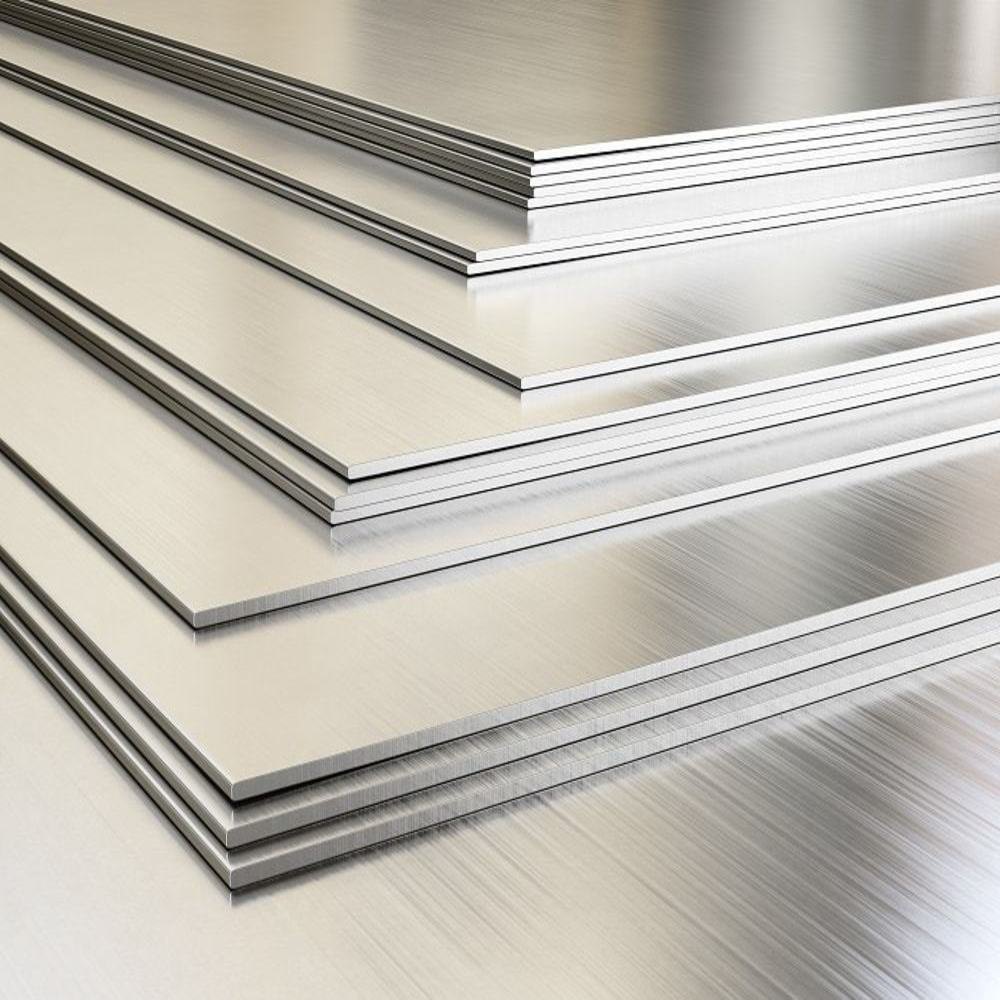
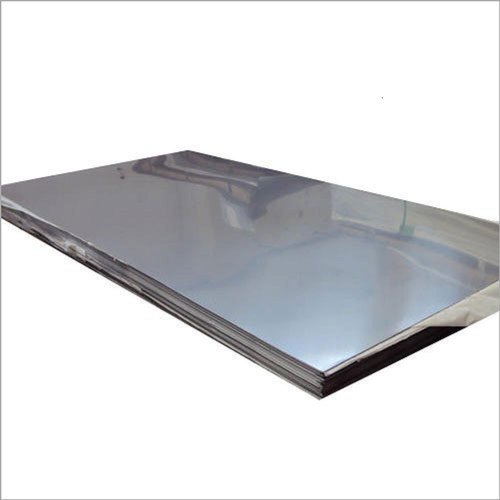
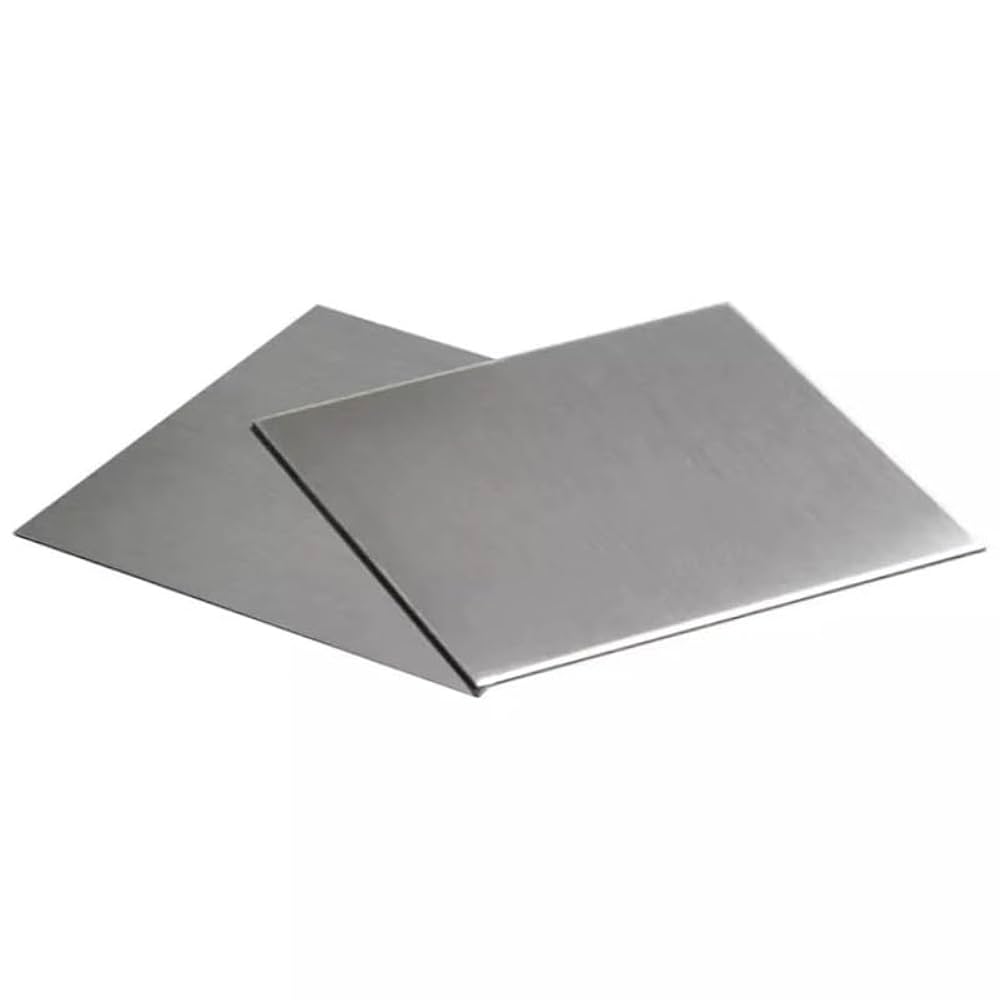
Stainless steel sheets are flat, thin metal materials made from a steel alloy with a minimum of 10.5% chromium. The chromium content gives them exceptional corrosion and rust resistance by forming a self-healing, protective oxide layer. Available in various grades like 304 and 316, and different finishes from polished to brushed, they offer durability, strength, and a hygienic, aesthetic surface. Uses range from kitchen appliances and architectural cladding to marine and medical equipment.SS sheet" is a thin, flat piece of stainless steel, a corrosion-resistant metal alloy. They are used in a wide variety of applications due to their strength, durability, and versatility, with common uses in construction, kitchenware, automotive parts, and medical devices.
-
Composition:
Stainless steel is an iron alloy that contains a minimum of 10.5% chromium, which prevents rust and corrosion. Other elements like nickel, molybdenum, and carbon are often added to provide unique properties.
-
Grades:
SS sheets come in various grades, with common ones including 304 and 316, which have different compositions and characteristics to suit different needs.
-
Surface finishes:
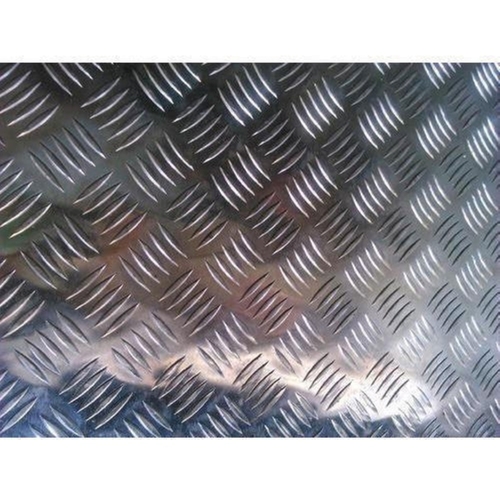
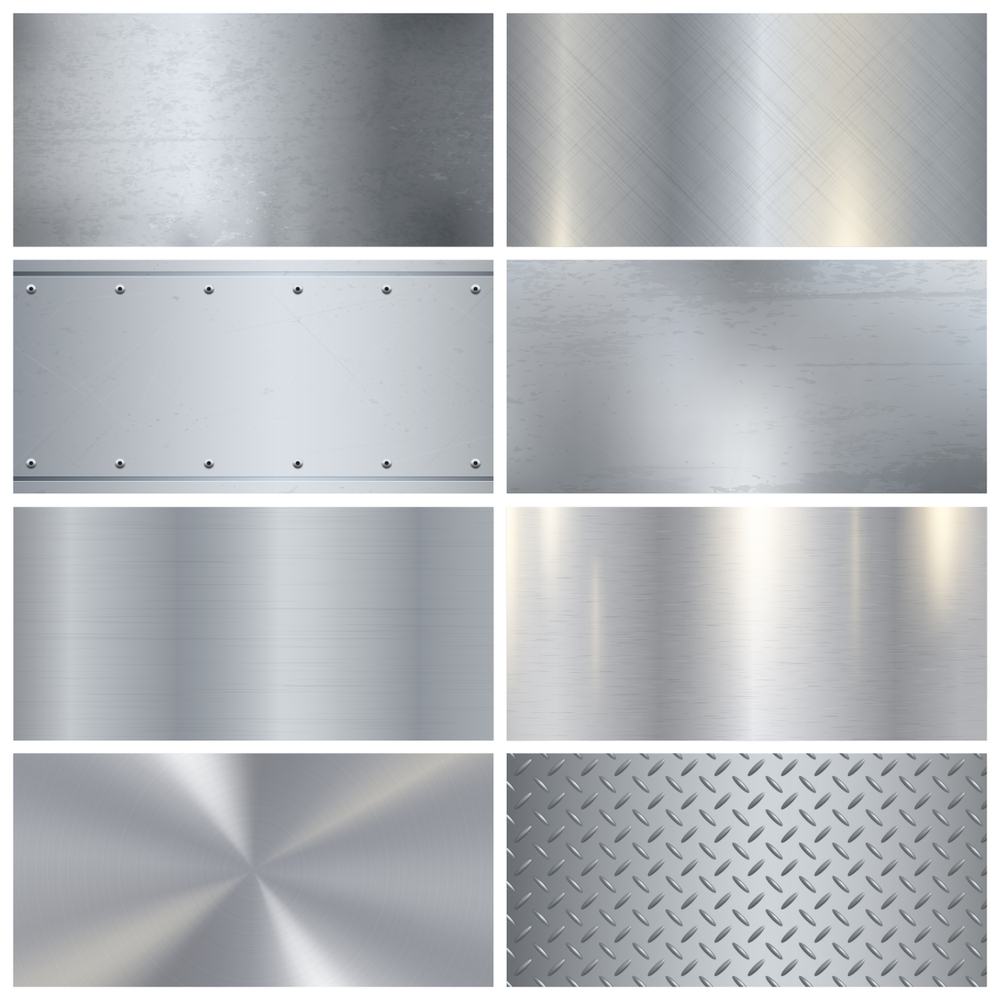
They can have different surface finishes, such as brushed, polished, or matte, depending on the desired appearance and application.
-
Form:
They are available in various thicknesses and sizes, from thin sheets to thicker plates, and can be supplied in different forms like cold-rolled, hot-rolled, or perforated.
- Construction: Used for structural elements, roofing, and cladding.
- Kitchenware: Common in appliances, cutlery, and cooking utensils.
- Automotive: Used in vehicle parts and for exterior and interior components.
- Medical: Utilized for surgical equipment, implants, and other medical devices due to its hygienic and non-reactive properties.
- Marine: Employed in boat fittings and hardware because of its resistance to salt and moisture.

 Send Inquiry
 Chat with us


 Send Inquiry

 Send Inquiry


